B2B buyers are changing how they research products, compare service providers and evaluate business solutions. Instead of relying exclusively on traditional search results, they increasingly use AI-powered platforms to ask detailed questions, explore recommendations and understand complex business topics.
For companies competing in the USA and UK markets, this creates a new visibility opportunity. A brand may have strong Google rankings but still remain absent when potential buyers ask AI platforms for industry insights, service comparisons or recommendations.
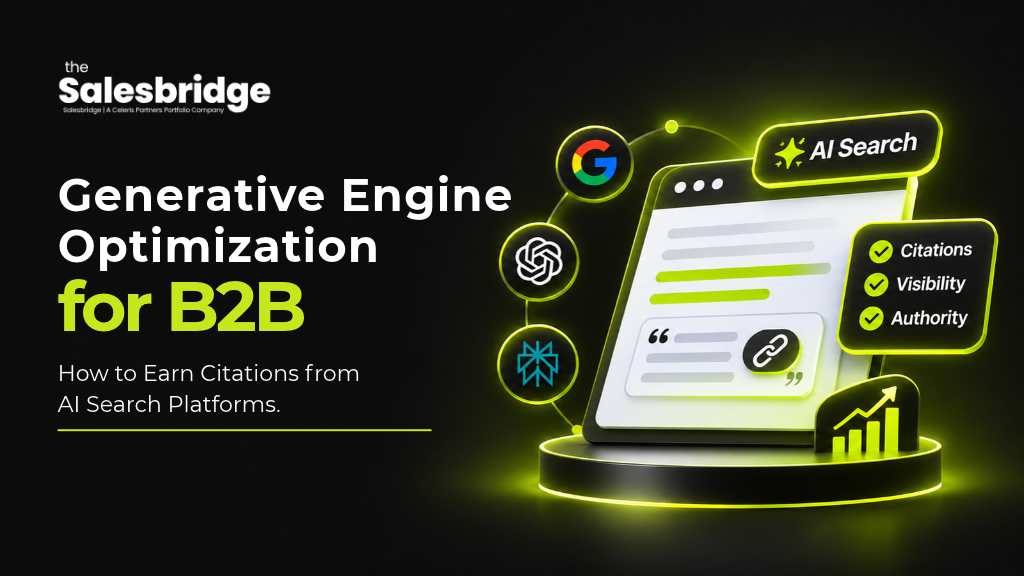
This is where generative engine optimization B2B strategies become relevant. Generative Engine Optimization (GEO) focuses on improving the likelihood that a company’s content and brand information will be discovered, understood and referenced in AI-generated answers.
However, earning AI citations is not about manipulating language models or publishing content solely for machines. It requires useful information, accessible website content, clear brand positioning and credible expertise. This guide explains how B2B companies can develop a practical GEO strategy that supports both organic search and AI-powered discovery.
Generative Engine Optimization is the practice of improving how a brand’s information can be discovered, interpreted and referenced by generative AI search experiences.
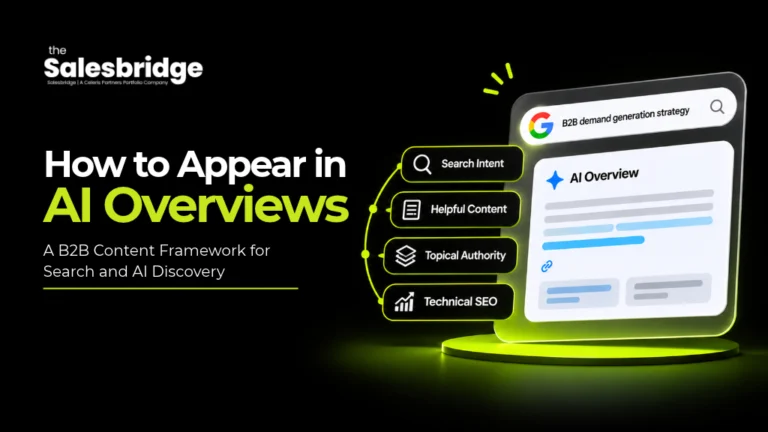
These experiences include ChatGPT search, Google AI Overviews, Google AI Mode and Perplexity. Their systems differ, but they can use web information to support answers and provide links to relevant sources.
For B2B companies, GEO means making important business information easier to discover when potential customers research a problem, evaluate an approach or compare providers.
For example, a marketing leader researching outsourced demand generation may ask an AI platform about agency selection criteria, lead quality, campaign measurement and sales alignment. A company publishing detailed, relevant information about these subjects has more opportunities to become a useful source.
Generative engine optimization B2B should therefore complement traditional SEO, not replace it. Search accessibility, helpful content and brand credibility remain important foundations.
AI platforms do not all use the same retrieval systems or citation rules. Their responses can depend on the query, available sources, relevance, freshness and how the platform retrieves supporting information.
Google explains that its AI search experiences build on existing Search systems and may explore related searches to identify supporting pages. It also confirms that there is no special schema or additional technical requirement that guarantees inclusion in AI Overviews. Google’s guidance on AI features in Search
ChatGPT search uses web search capabilities to provide relevant information and linked sources. Website owners can manage search discovery through access for OpenAI’s OAI-SearchBot. OpenAI crawler documentation
This distinction matters. A page being indexed does not guarantee that it will be cited. The objective is to make your content relevant, accessible and useful for the questions your target audience asks.
Start with the questions your potential customers ask before selecting a service provider.
A B2B decision-maker may search for how to generate qualified leads, when to outsource appointment setting, how to evaluate demand generation agencies or how to improve marketing-to-sales alignment.
Organise these questions by the buyer journey. Early-stage content should explain problems and possible approaches. Consideration-stage content should compare methods, frameworks and solutions. Commercial content should clarify services, processes and provider suitability.
This creates a stronger connection between informational searches and business enquiries.
Generic articles rarely give readers a compelling reason to reference one particular website over another.
Strengthen your content with practical frameworks, documented processes, original observations, relevant examples and clearly explained recommendations.
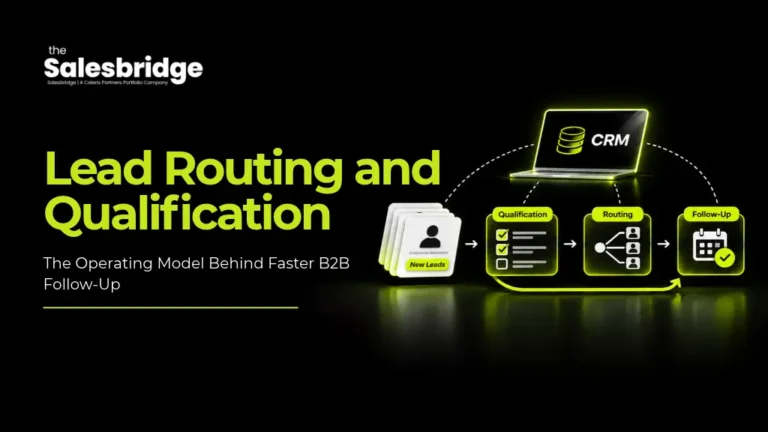
For instance, instead of publishing another general article about lead generation, explain how a B2B organisation can evaluate lead quality using company fit, buying intent, engagement and sales acceptance.
Use genuine experience and verified information. If you include research findings, identify their source and explain what they mean for the reader.
Google’s guidance on generative AI search specifically encourages useful, distinctive information rather than commodity content that simply repeats what is already available. Google Search Central documentation
Well-organised content helps readers navigate complex subjects and makes key information easier to identify.
Use descriptive H2 and H3 headings, direct explanations, short paragraphs and relevant examples. Explain specialised terms before relying on them throughout an article.
Comparison tables can help when evaluating service models, processes or measurement approaches. Numbered steps work well for implementation guides, while FAQs can address genuine follow-up questions.
For example, an article about B2B demand generation should clearly explain what demand generation involves, which activities support it, how success is measured and when an external agency may be appropriate.
Avoid breaking every sentence into a separate block simply to make content appear AI-friendly. Structure should serve the reader.
One article cannot establish comprehensive expertise across every aspect of B2B marketing.
Build connected topic clusters around the services and expertise your company genuinely provides.
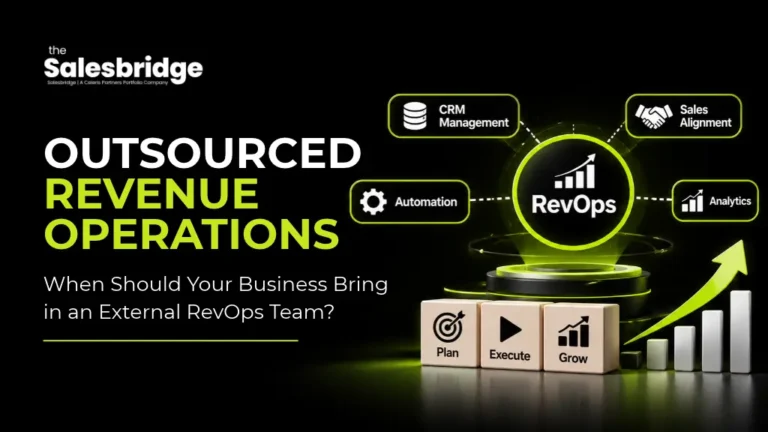
For The Salesbridge, relevant clusters include B2B lead generation, demand generation, content syndication, appointment setting, buyer intent, lead qualification and revenue operations.
Create a central guide for each major subject and support it with focused articles answering related questions. Link these pages naturally so readers can explore connected topics.
This approach strengthens your website’s information architecture and gives search systems more context about the subjects your brand covers.
AI search discovery is not limited to individual blog posts. Information about your business across its website and other credible sources can help people understand what your company does.
Maintain consistent company descriptions, service names, business details and industry positioning.
Your website should clearly communicate your target audience, geographic focus, core services and areas of expertise. Service pages should explain what customers receive rather than relying on broad promotional claims.
Where appropriate, use accurate company profiles, author information and relevant external references. Build genuine industry recognition through useful contributions, partnerships and credible publications.
Avoid buying artificial mentions or creating unrelated profiles simply to increase brand references. Relevance and credibility matter more than the number of mentions.
A strong content strategy needs a technically accessible website.
Check that important pages are indexable, internal links work correctly and essential information is available as readable page content.
Review robots.txt rules and confirm that relevant search crawlers are not unintentionally blocked. For ChatGPT search discovery, review whether OAI-SearchBot is permitted to access the pages you want considered. OpenAI documents its crawler controls separately from GPTBot, which serves a different purpose. OpenAI crawler documentation
For Google, continue following normal Search requirements. Use appropriate canonical tags, XML sitemaps, mobile-friendly layouts and structured data that accurately reflects visible page content.
There is no need to depend on special AI files or invented GEO schema to secure citations.
A successful GEO strategy should be evaluated using both visibility and commercial performance.
Track relevant organic impressions, clicks, referral visits, qualified enquiries and conversions. Where available, use platform and analytics reporting to identify traffic from AI search experiences.
You can also create a consistent set of buyer-related prompts and periodically review whether your brand or website appears as a cited source. Record the platform, query, cited URL and context of the mention.
This manual monitoring is useful for identifying patterns, but AI responses can vary and should not be treated as a complete measurement of platform visibility.
Most importantly, connect discovery to business outcomes. A citation that generates relevant visits from decision-makers may be more valuable than a mention for an unrelated informational query.
A practical implementation process begins with selecting a specific business topic and mapping the questions buyers ask around it.
Next, identify which existing website pages answer those questions and where useful information is missing. Improve existing pages before creating multiple articles targeting nearly identical searches.
Create original supporting content, connect related pages through internal links and review the technical accessibility of important URLs. Keep service descriptions accurate and make the next step clear for interested prospects.
For example, a company targeting US and UK decision-makers could connect its demand generation guide with supporting articles on B2B buyer intent signals, lead qualification and revenue operations.
Review the cluster regularly. Update outdated information, strengthen weak sections and identify new questions based on customer conversations and search performance.
One mistake is assuming that GEO requires a completely separate website or a collection of special technical files. Foundational SEO remains important, and no single implementation guarantees AI citations.
Another is publishing large volumes of similar articles without adding meaningful information. This can create overlapping pages while weakening the overall quality of the website.
Some businesses also focus on brand mentions without considering relevance. Artificial mentions, unrelated directory listings and low-quality links do not establish genuine expertise.
Finally, avoid measuring success only through the number of AI citations. The purpose of B2B search visibility is to reach relevant buyers, support their research and generate meaningful commercial opportunities.
Generative Engine Optimization is the practice of improving a company’s discoverability and potential inclusion in AI-generated search responses. In B2B marketing, it involves creating useful content, maintaining accessible web pages and communicating clear business expertise.
Make relevant website content publicly accessible and ensure OAI-SearchBot is not blocked if you want to support ChatGPT search discovery. Publish accurate, useful information that addresses relevant buyer questions. Citation inclusion is determined by the platform and cannot be guaranteed.
GEO focuses on visibility within generative AI experiences, while traditional SEO focuses on organic search visibility. They overlap significantly in areas such as content quality, technical accessibility, relevance and website structure. GEO should complement, rather than replace, SEO.
No universal GEO schema guarantees citations. Structured data can support traditional search understanding when implemented correctly and when it matches visible page content. Google’s guidance does not require special schema for AI Overviews.
Monitor AI citations and brand mentions across relevant platforms, referral traffic, organic visibility, qualified enquiries and conversions. Use a consistent set of buyer-related queries to evaluate visibility trends rather than relying on isolated AI responses.
Being discoverable across traditional search and AI-powered platforms requires a connected approach to SEO, content strategy and demand generation.
The Salesbridge helps B2B businesses strengthen their digital growth through B2B lead generation, demand generation, content syndication, appointment setting, account-based marketing and revenue operations support.
Whether you want to reach decision-makers in the USA and UK, improve organic discovery or connect content visibility with qualified pipeline opportunities, The Salesbridge can help align your marketing activities with your business objectives.
Connect with The Salesbridge to discuss a B2B growth strategy built around relevant audiences, useful content and measurable business outcomes.